

Occupational Therapy
GHCA occupational therapists help people of all ages build the skills, confidence and home set ups they need to manage daily life, from getting dressed and cooking to using assistive equipment and staying connected to community. Sessions are available in your home or by telehealth.
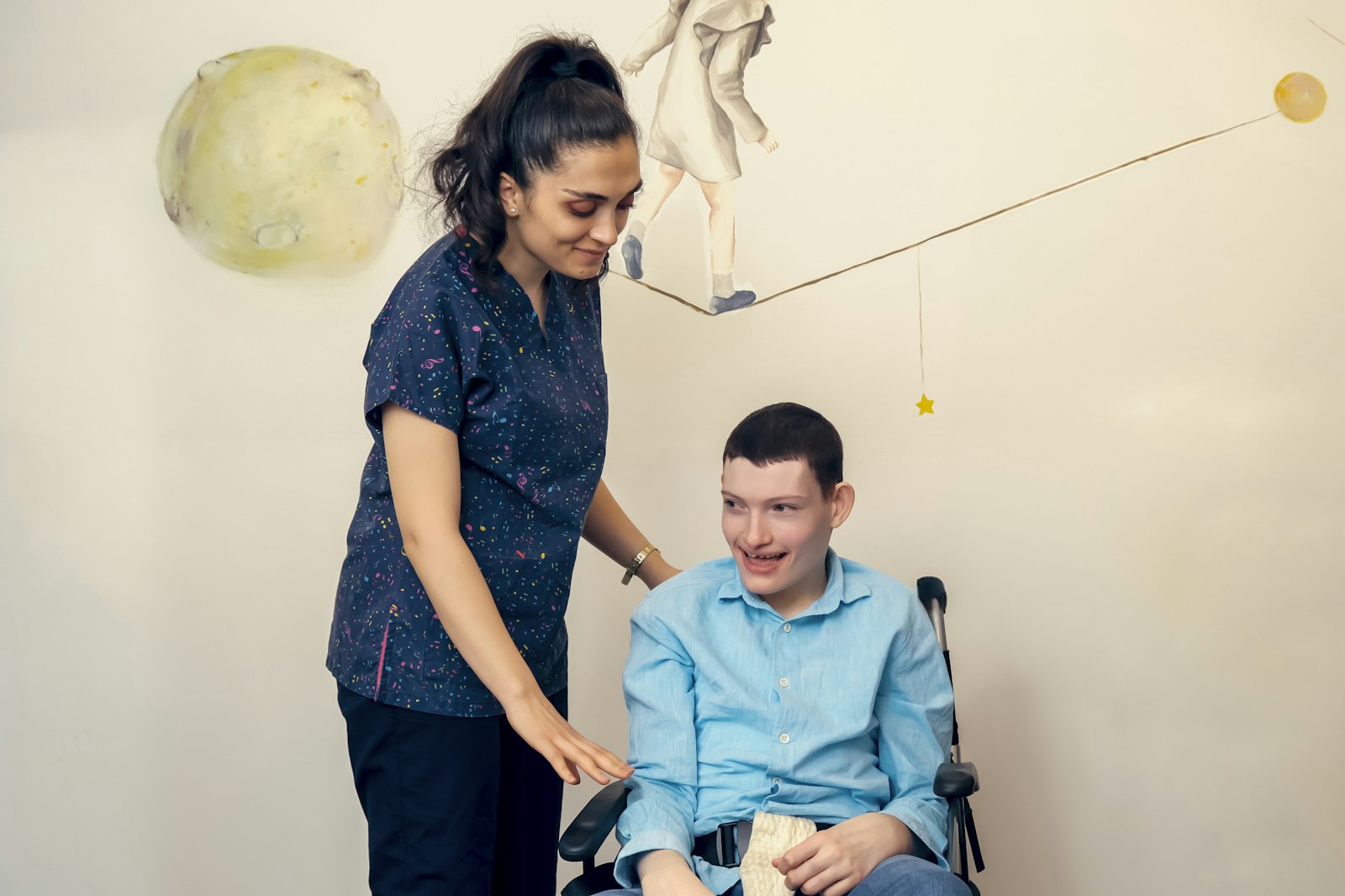
Occupational Therapy That Fits Around Your Life
Our occupational therapists take the time to understand your goals, your abilities and your environment. They then work with you to build skills, adjust routines or recommend equipment so daily life feels more manageable and more like your own.
We see clients in their own homes and by telehealth, so therapy happens where your daily routines take place.
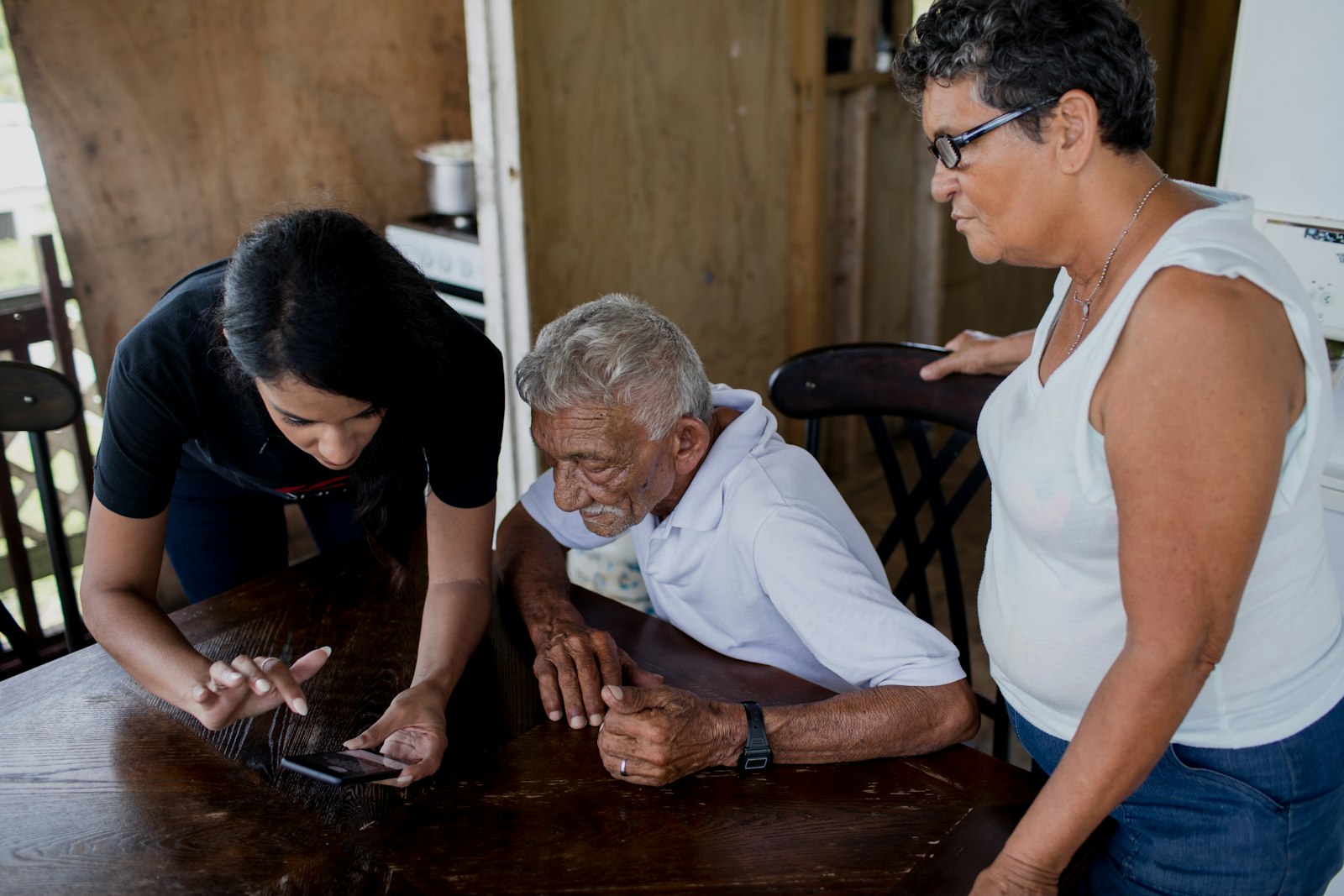
Areas Our Occupational Therapists Support
Every plan starts with your goals. These are some of the areas our occupational therapists work on with clients.
Daily Living Skills
Building confidence with dressing, showering, cooking and other everyday self care routines.
Self CareHome and Vehicle Modifications
Practical recommendations such as grab rails, ramps, non slip flooring or vehicle changes that make your space easier to move through.
HomeAssistive Technology
Finding and trialling the right equipment, from mobility aids to communication devices, so it fits your goals.
EquipmentSensory and Regulation Support
Strategies and calming environments for people who find sensory input overwhelming, especially children and people on the autism spectrum.
SensoryFine Motor and Handwriting
Hands on activities that work on the coordination and hand skills behind handwriting, dressing and everyday tasks.
SkillsCommunity and Social Participation
Support to get out shopping, use public transport or join the activities and groups that matter to you.
Community
Support at Every Age and Stage
Children and Young People
Support with development, sensory needs, play and school participation, working alongside families every step of the way.
Adults
Practical strategies for living with chronic conditions, getting back to daily routines after injury or illness, and managing at work and home.
Older Australians
Home set up, falls risk checks and equipment that help people keep living at home as their needs change.
How Occupational Therapy Is Funded
Occupational therapy can be funded in different ways. The right option depends on your eligibility, your plan and your preferences.
NDIS
Occupational therapy can be funded from the capacity building budget in your NDIS plan, under Improved Daily Living.
- Therapy funding appears in your plan as a total amount
- We work with NDIA managed, plan managed and self managed participants
- Our NDIS Provider Number is 4050030708
Call the NDIS on 1800 800 110 to add GHCA as your provider.
Support at Home
Allied health, including occupational therapy, is a clinical support under the Support at Home program.
- Must be approved in your support plan
- Includes prescribing and follow up support for assistive technology and home modifications
- Other programs already in place are used first
Your care partner can help arrange occupational therapy within your budget.
Medicare
A GP Chronic Condition Management Plan can give you Medicare rebates for allied health services, including occupational therapy.
- Your GP or medical practitioner must refer you
- Up to 5 allied health services a calendar year, shared across all allied health types
- Up to 10 a year for Aboriginal and Torres Strait Islander people
Ask us whether Medicare rebates apply to your appointments.
DVA
Eligible veterans can access occupational therapy through DVA with a referral.
- Referral from your usual GP, a specialist or a hospital discharge planner
- Each referral covers up to 12 sessions or one year, whichever ends first
- Your GP can refer again if more treatment is needed
Bring your DVA card and referral to your first appointment.
What to Expect From Occupational Therapy
Make a Referral
Send us a referral online or call 1300 157 715. Tell us about your funding and what you would like help with.
Initial Assessment
An occupational therapist meets you at home or by telehealth to understand your goals, routines and environment.
Your Therapy Plan
Together we agree on goals and the supports that suit you, such as skills practice, equipment or changes around the home.
Sessions and Review
We work through your plan, check in on how it is going and update it as your needs change.
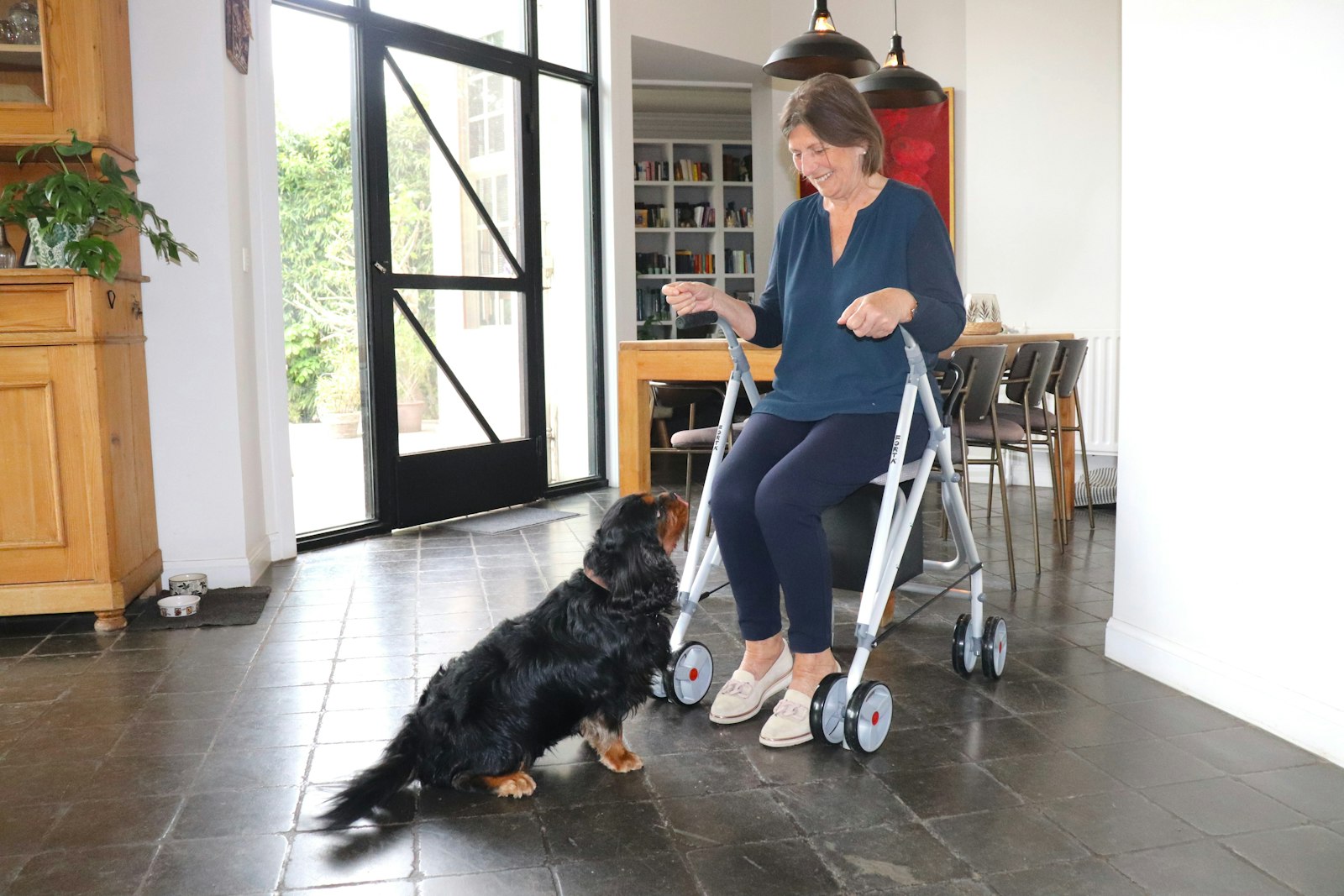
Therapy Where Daily Life Happens
Our occupational therapists visit you at home, or meet with you by telehealth, so we can see the spaces and routines that matter to you. Appointments are arranged around your week, and family members or carers are welcome to join.
Want to talk it through? Call us on 1300 157 715.
More Allied Health Services
Explore related support and information.
Ready to Start Occupational Therapy?
Our team is available Monday to Friday, 8am to 5pm. Call 1300 157 715 or send us a referral.