

Occupational therapy helps people take part in the everyday activities they need and want to do, from getting dressed and cooking to working, studying, playing and catching up with friends. If you have been told you or a family member might benefit from seeing an occupational therapist (OT), this guide explains what occupational therapy is, what an OT does and how it is funded in Australia.
What Is Occupational Therapy?
In occupational therapy, the word “occupation” means everything you need, want or hope to do in your day. Occupational Therapy Australia describes it as a person centred approach that helps people take part in activities they find meaningful, such as caring for themselves or others, working, volunteering and enjoying hobbies and social events.
According to healthdirect, these activities usually fall into three groups:
- Self care tasks, such as getting dressed, showering or cooking
- Productive activities, such as working, studying or volunteering
- Leisure activities, such as hobbies and social events
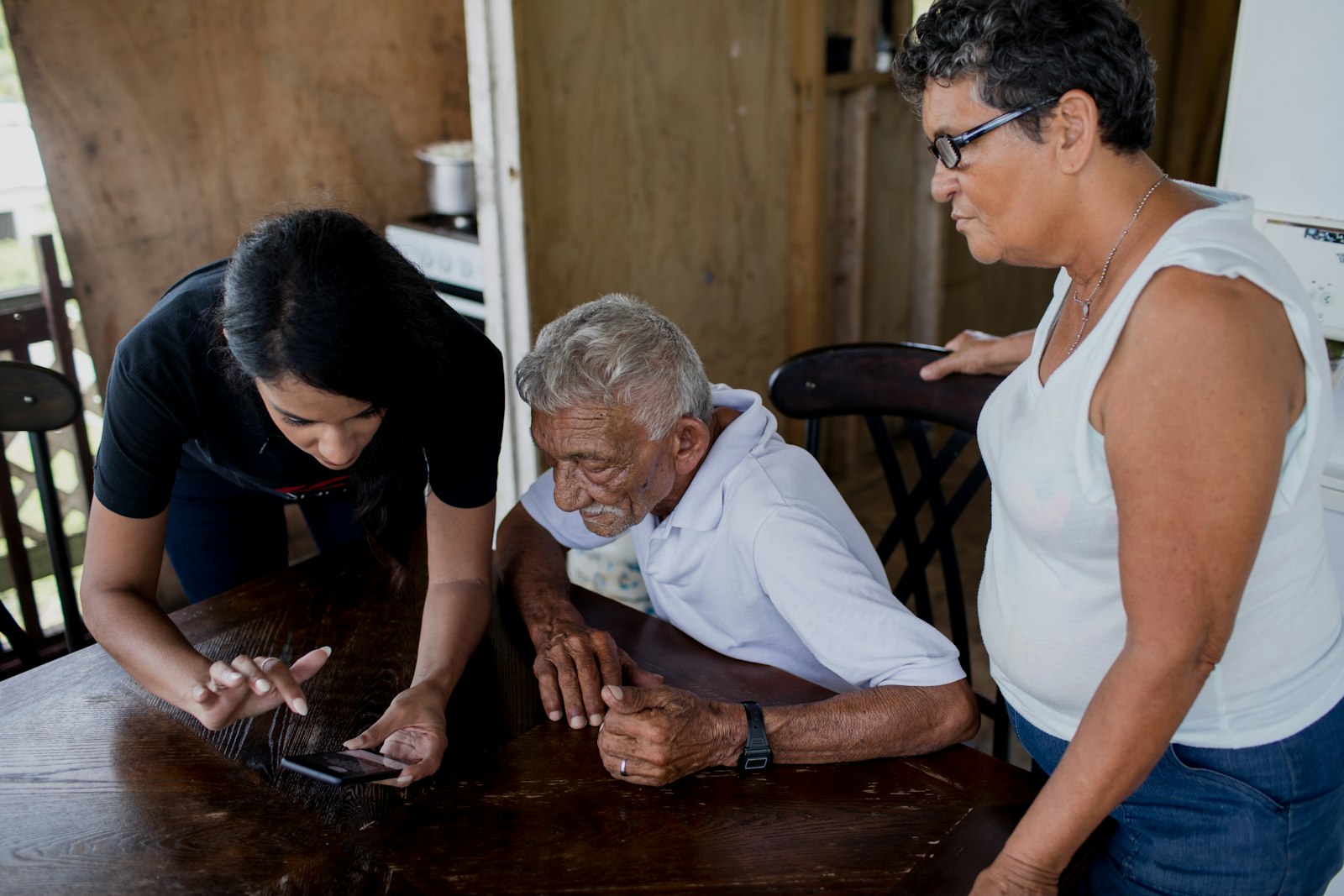
What Does an Occupational Therapist Do?
An occupational therapist looks at the relationship between three things: what you want or need to do, your physical and mental health and abilities, and your environment. They then work with you to make everyday living easier and to keep, regain or improve your independence.
Depending on your goals, an OT might help you to:
Build Everyday Skills
Practise and develop the skills you need for daily routines at home, school or work.
SkillsFind the Right Equipment
Choose and learn to use equipment that supports your independence.
EquipmentChange Your Home or Vehicle
Recommend modifications such as rails, ramps or vehicle changes.
HomeUse Your Hands
Work on hand skills such as handwriting, or using your hands after an injury.
HandsManage Fatigue and Stress
Find new ways of doing tasks so energy and emotions are easier to manage.
WellbeingGet Back on Track
Return to everyday activities after an illness, injury or hospital stay.
RecoveryWho Can See an Occupational Therapist?
Occupational therapists work with people of all ages. Children often see an OT for play, handwriting, dressing and taking part at school. Adults may see an OT after an injury or illness, or for support living with disability or a long term health condition. Older people often work with an OT on home safety, equipment and staying independent at home.
Your doctor or another health professional can refer you to an OT, or you can contact an occupational therapist yourself.
What Happens at an OT Appointment?
Your first appointment is about understanding your strengths and the things you find hard. Your OT will usually ask:
- Which activities you can do now
- Which activities you find hard or cannot do
- What you want to do, and the goals you want to reach
From there, your OT works with you on a plan. That might mean building your knowledge and skills, finding new ways of doing tasks, or changing your surroundings to suit your needs. Many OTs, including the GHCA team, visit you at home so they can see the spaces and routines that matter.
Are Occupational Therapists Registered?
Yes. In Australia, “occupational therapist” is a protected title. OTs must hold an approved occupational therapy degree and be registered with the Occupational Therapy Board of Australia. You can check any practitioner on the AHPRA public register.
How Is Occupational Therapy Funded?
NDIS
Occupational therapy can be funded from the capacity building supports in an NDIS plan when it relates to your disability and goals.
Support at Home
Occupational therapy is a clinical support on the Support at Home service list, fully funded by the government when approved in your support plan.
Medicare
A GP Chronic Condition Management Plan can give you Medicare rebates for a limited number of allied health services each year.
DVA
Eligible veterans can access occupational therapy with a referral from their GP, a specialist or a hospital discharge planner.
Occupational Therapy With GHCA
GHCA occupational therapists work with children, adults and older Australians, in your home or by telehealth. We work with NDIS participants, Support at Home consumers, Medicare and DVA clients. Learn more on our Occupational Therapy page or explore our Allied Health Services.

Thinking About Occupational Therapy?
Talk with our team about your goals and funding. Call 1300 157 715, Monday to Friday 8am to 5pm, or send us a referral.